the Christ They Rejected
- ① Worship that costs nothing reveals what we truly value.
- ② The cross is not defeat—it is the moment of glory and the magnet for every nation.
- ③ Fear of men is a deadly snare; secret faith is not faith at all.
- ④ The grain of wheat must die before it can multiply.
- ⑤ Light rejected does not leave you neutral—it leaves you in deeper darkness.
-
⑥Ephraim information Promised to Class: In John 11:54, Ephraim is a small city near the wilderness where Jesus withdrew with His disciples after the leaders decided to kill Him. It marks a strategic withdrawal, not fear. Jesus is controlling the timing of His death, preparing privately with the disciples, and moving deliberately toward the cross. On the map, Ephraim is generally understood to be north of Jerusalem in the hill country near the wilderness, making it a fitting place for temporary withdrawal before the final return toward Jerusalem.
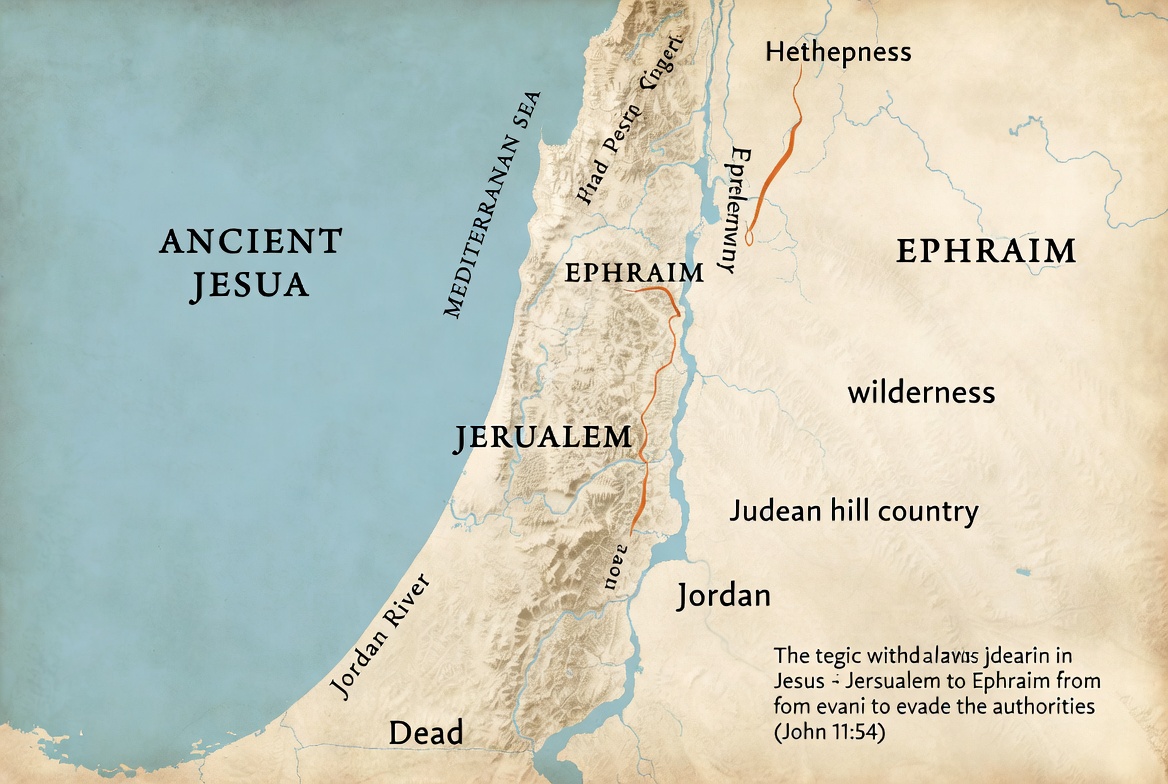
Ephraim (likely et-Taiyiba / ancient Ophrah) lies in the Judean hill country north of Jerusalem, near the wilderness. This map highlights the region where Jesus withdrew before His final journey to the cross.

Mary’s Costly Perfume (John 12:3)
“The house was filled with the fragrance”
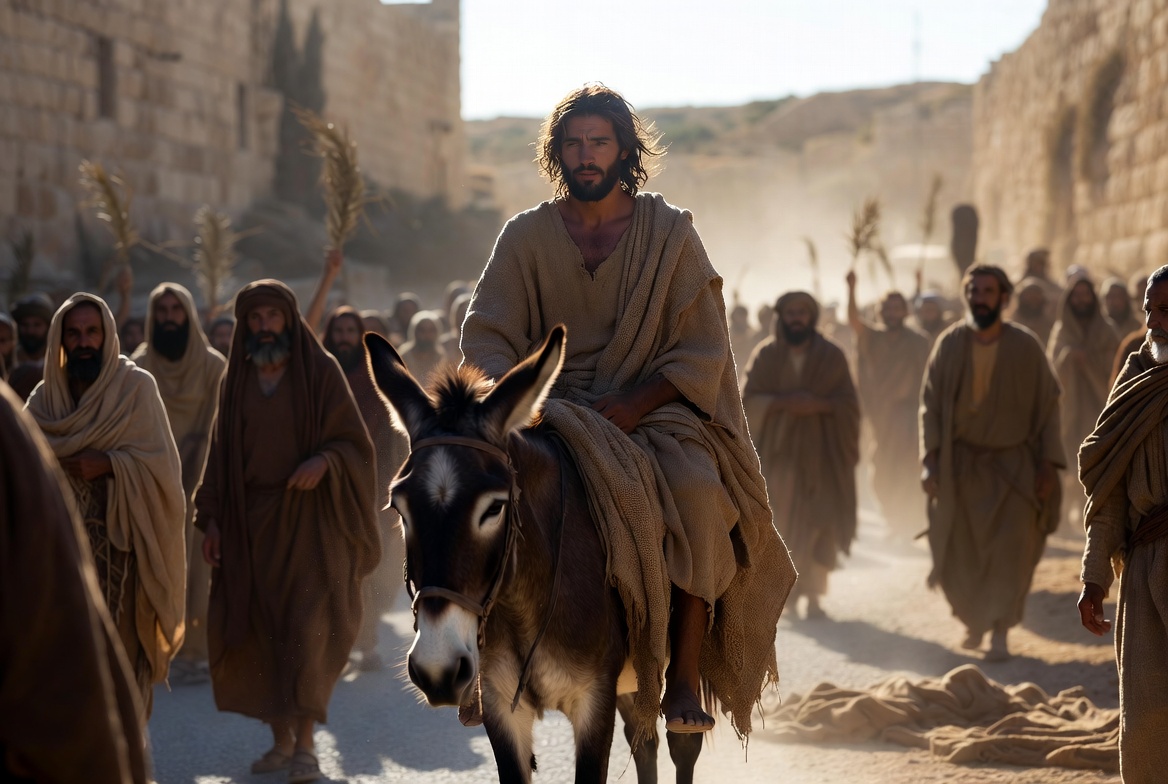
The King They Wanted (John 12:12-15)
“Hosanna! Blessed is He who comes in the name of the Lord!”

The Grain Must Die (John 12:24)
“Unless a grain of wheat falls into the earth and dies…”
Costly perfume / ointment. The tangible weight of Mary’s sacrifice.
Thief. John’s blunt verdict on Judas’ heart.
Save now! From Psalm 118. Enthusiasm without submission.
To glorify. The cross is Jesus’ glorification, not His defeat.
Lifted up — crucifixion that draws all men.
Introduction: The Final Public Turning Point
John 12 is the hinge chapter of the entire Gospel. Everything before it has been signs, confrontations, and growing division. Everything after it turns toward the upper room, betrayal, cross, and resurrection.
The tension is electric: Jesus is honored in Bethany with burial perfume already in the air. He is welcomed into Jerusalem as King, yet the crowd wants an earthly ruler, not a crucified Redeemer. Greeks appear on the horizon, signaling the universal scope of His mission. Jesus declares “the hour has come”—but it is the hour of the cross, not coronation. Many refuse to believe despite undeniable signs. Some leaders believe secretly but will not confess. Jesus closes His public ministry with a final warning about light, darkness, and the word that will judge every soul.
Section 1: Costly Worship, False Religion, and the Offense of Devotion (John 12:1–11)
1. Mary’s Costly Devotion (vv. 1–3)
Mary takes a pound of pure nard — extremely costly — and pours it on Jesus’ feet, wiping them with her hair. The house fills with fragrance. This is not sentimental; it is theological worship. She treats Jesus as infinitely worthy.
2. Judas and the Mask of Moral Concern (vv. 4–6)
Judas objects: “Why was this perfume not sold and the money given to the poor?” John unmasks him: he was a thief. False religion often uses noble language to hide greed.
3. Jesus Interprets the Act: Burial Is Near (vv. 7–8)
“Leave her alone. She has kept this for the day of My burial.” The poor will always be here, but Jesus will not. Priority in the moment of crisis.
4. Lazarus as Dangerous Evidence (vv. 9–11)
The chief priests plot to kill Lazarus too because many are believing because of him. Evidence is not the problem; rebellion is.
Section 2: The King Arrives, but the Crowd Misunderstands the Kingdom (John 12:12–19)
The crowd waves palm branches and shouts “Hosanna!” from Psalm 118. They are right about the title, wrong about the kind of King. Jesus rides a donkey—meekness, not military power.
Section 3: The Greeks, the Hour, and the Cross as Glory (John 12:20–36a)
The Grain of Wheat Must Die (v. 24)
Unless a grain falls into the ground and dies, it remains alone. Jesus’ death is the path to fruitfulness for the world—and for every disciple.
The Troubled Soul and the Father’s Glory (vv. 27–28)
Jesus says, “Now My soul is troubled,” yet He submits: “Father, glorify Your name.” The voice from heaven confirms the mission.
Judgment, Satan’s Defeat, and the Lifted Son (vv. 29–33)
The cross judges the world, casts out the ruler of this world, and draws all people. Universal scope—personal responsibility.
Section 4: Unbelief, Judicial Hardening, and the Sin of Loving Praise from Men (John 12:36b–43)
Despite so many signs, many would not believe. Isaiah’s prophecy is fulfilled: judicial hardening follows persistent rejection. Rulers believed secretly but loved the praise of men more than the praise of God.
Section 5: Christ’s Final Public Cry — Faith, Light, and Final Accountability (John 12:44–50)
Believing in Jesus is believing in the Father. Jesus came as Light so that no one who believes in Him would remain in darkness. He did not come to judge in His first advent, but His word will judge at the last day. The Father’s commandment is eternal life.
Major Theological Themes
Devotion looks wasteful until you realize the bottle is nothing compared to the Christ it was poured upon.
Refusing light does not make the room neutral—it leaves you in darkness by choice.